
coated glass meaning
The Revolution in Concrete Reinforcement Plastic Rebar Support Chairs In the realm of construction and engineering, innovation often lies in the minutiae, the subtle changes that significantly impact overall efficiency and durability. One such innovation is the introduction of plastic rebar support chairs, an alternative to traditional steel or metal supports used in concrete reinforcement. These chairs, made primarily from high-density polyethylene (HDPE), have been transforming the way construction professionals approach their work. Rebar, or reinforcing bar, is a critical component in concrete structures, providing tensile strength to counterbalance concrete's inherent weakness in tension. Historically, steel or metal chairs have been employed to hold the rebar in place during the pouring and setting of concrete. However, these materials come with their own set of challenges, including rusting, corrosion, and potential damage to the rebar. Plastic rebar support chairs, on the other hand, offer a range of advantages. Their non-corrosive nature eliminates the risk of rust or chemical reactions with the concrete, ensuring a longer lifespan for the structure. They are also lightweight, making them easier to handle and position on site, thus increasing productivity and reducing labor costs. Moreover, their resilience to weather conditions and UV radiation ensures they maintain their structural integrity over time. One of the most significant benefits of plastic rebar chairs is their design flexibility One of the most significant benefits of plastic rebar chairs is their design flexibility One of the most significant benefits of plastic rebar chairs is their design flexibility One of the most significant benefits of plastic rebar chairs is their design flexibility plastic rebar support chair . They can be easily adjusted to accommodate various rebar sizes and spacing requirements, providing a tailored solution for diverse construction projects. Additionally, their inherent buoyancy in water makes them ideal for underwater construction, where traditional metal supports may pose challenges. Furthermore, the use of recycled plastics in the production of these chairs contributes to sustainable construction practices. It not only reduces waste but also decreases the reliance on non-renewable resources, aligning with the global push towards eco-friendly building solutions. Despite their numerous benefits, the adoption of plastic rebar support chairs has faced some resistance due to the perception of plastic as a less durable material. However, numerous studies and real-world applications have proven their effectiveness and longevity, dispelling these misconceptions. In conclusion, the advent of plastic rebar support chairs represents a significant stride in the evolution of construction technology. They embody a perfect blend of functionality, durability, and sustainability, offering a promising alternative to traditional methods. As the industry continues to seek innovative solutions, the role of plastic rebar support chairs in enhancing construction efficiency and durability is likely to grow more prominent.
about
coated glass meaning
Replacing a Water Valve A Step-by-Step Guide Water valves are essential components of any plumbing system, controlling the flow of water in and out of various fixtures and appliances. Over time, these valves can wear out, become corroded, or develop leaks, necessitating their replacement. If you find yourself in a situation where you need to replace a water valve, whether it’s for a sink, toilet, or main water line, this guide will provide you with a comprehensive overview of the process, ensuring that you can carry out this task efficiently and safely. Understanding Water Valves Before diving into the replacement process, it’s essential to understand what type of water valve you are dealing with. Common types include gate valves, ball valves, and globe valves. Gate valves are typically used for on/off control and are not ideal for throttling. Ball valves, on the other hand, offer a quick on/off function with minimal flow resistance. Globe valves are mainly used for regulating flow. Identifying your valve type will help you choose the right replacement. Tools and Materials To successfully replace a water valve, gather the following tools and materials - Adjustable wrenches or a set of pipe wrenches - Screwdriver (flathead or Phillips, depending on your valve) - Replacement valve - Plumber’s tape (Teflon tape) - Bucket or towels to catch any residual water - Safety goggles and gloves Steps to Replace a Water Valve 1 . Turn Off the Water Supply Safety is paramount when working with plumbing. Locate the main water shut-off valve in your home, usually found near the water meter. Turn it off by rotating the handle clockwise. If you're replacing a valve for a specific fixture, such as a sink or toilet, you may find individual shut-off valves beneath the fixture. 2. Drain the System Open the faucet or fixture associated with the valve you are replacing to allow any remaining water to drain out of the system. This step is crucial to prevent water from spilling when you remove the valve. replace a water valve 3. Remove the Old Valve Using your adjustable wrenches, carefully loosen and disconnect the old valve from the pipe. If the valve has screws, use your screwdriver to remove them first. Be prepared for some residual water to spill out, so keep your bucket or towels handy. 4. Clean the Threads Once the old valve is removed, inspect the threads on the pipe for any debris or old plumber’s tape. Clean the threads to ensure a good seal with the new valve. Any residue could lead to leaks. 5. Install the New Valve Wrap the threads of the pipe with plumber's tape to ensure a tight seal. Then, attach the new valve by threading it onto the pipe. Make sure it’s oriented correctly, with the handle positioned in a way that makes it easy to operate. Tighten it carefully with your wrench, being cautious not to over-tighten, as this can damage the threads. 6. Check for Leaks Once the new valve is installed, turn the main water supply back on slowly. Look for any signs of leaks around the valve. If you notice any leaking, you may need to tighten it slightly or reapply plumber's tape. 7. Test the Valve Finally, test the new valve by turning it on and off a few times. Make sure it operates smoothly and that water flows without any obstruction. Check for leaks once more after testing. Conclusion Replacing a water valve is a straightforward task that can save you from costly plumbing issues in the future. By following these steps, you can ensure that the valve operates efficiently and securely. Always remember to wear proper safety gear and take your time to do the job correctly. If at any point you feel uncomfortable or unsure, don’t hesitate to consult a professional plumber. Regular maintenance of your plumbing system will not only prolong its life but also ensure the health and safety of your home environment.
-

High quality industrial productsagement

High quality industrial products
View Details -

Meet the diverse needs of customers

Meet the diverse needs of customers
View Details -

Strict quality control

Strict quality control
View Details -

Top raw materials

Top raw materials
View Details -

Trusted supplier

Trusted supplier
View Details
Our application


news and information
Where to Find the Best Valve for Sale
Valves are the unsung heroes of industrial operations, playing a critical role in controlling the fl
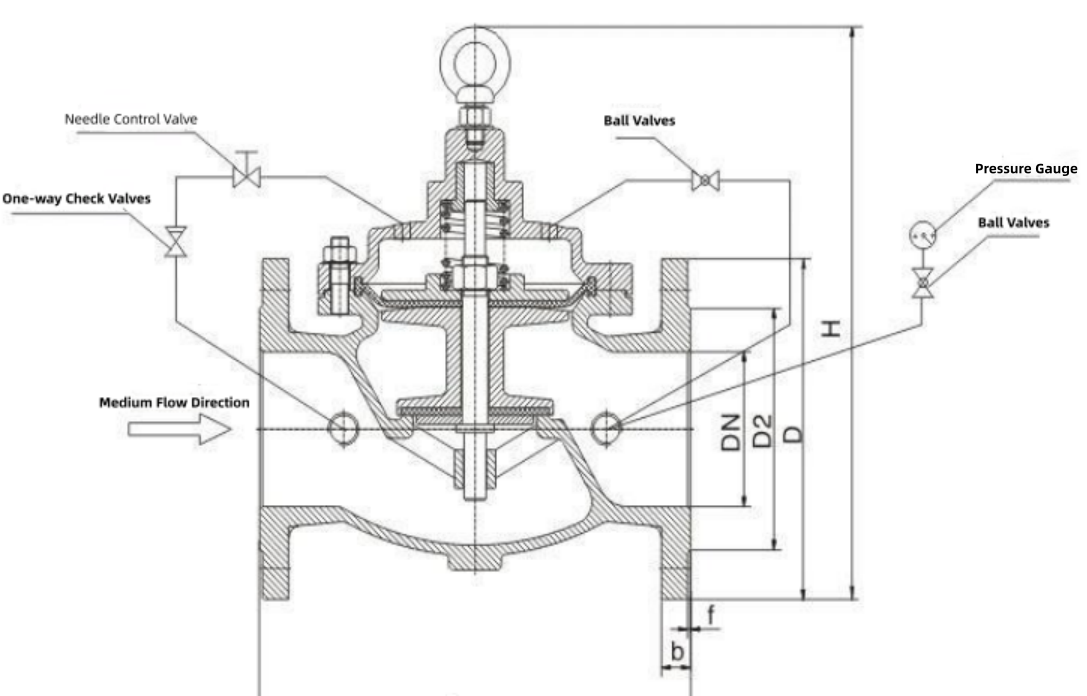
Válvula borboleta de 14 polegadas
Válvula Borboleta de 14 Polegadas Importância e Aplicações A válvula borboleta é um dispositivo de c
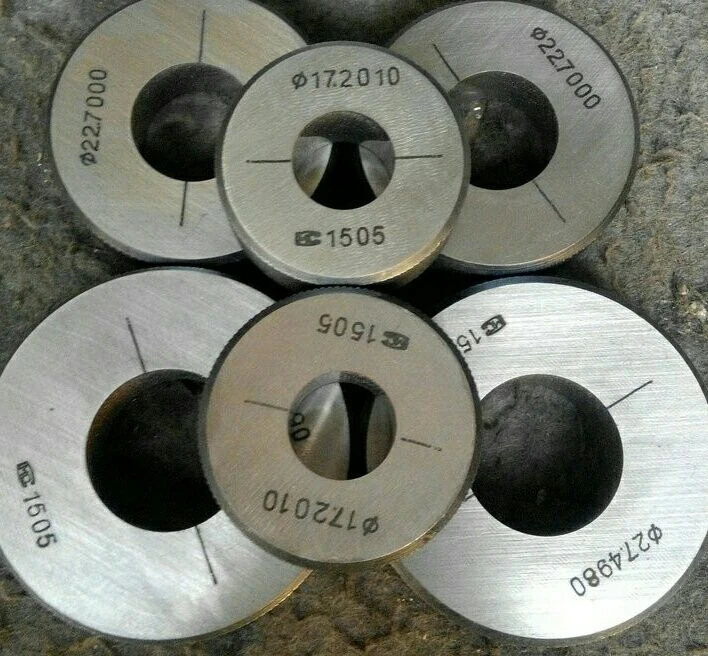
Water valve fails to close properly and leaks persist
Troubleshooting a Water Valve That Won't Shut Off Encountering a water valve that refuses to shut of
 English